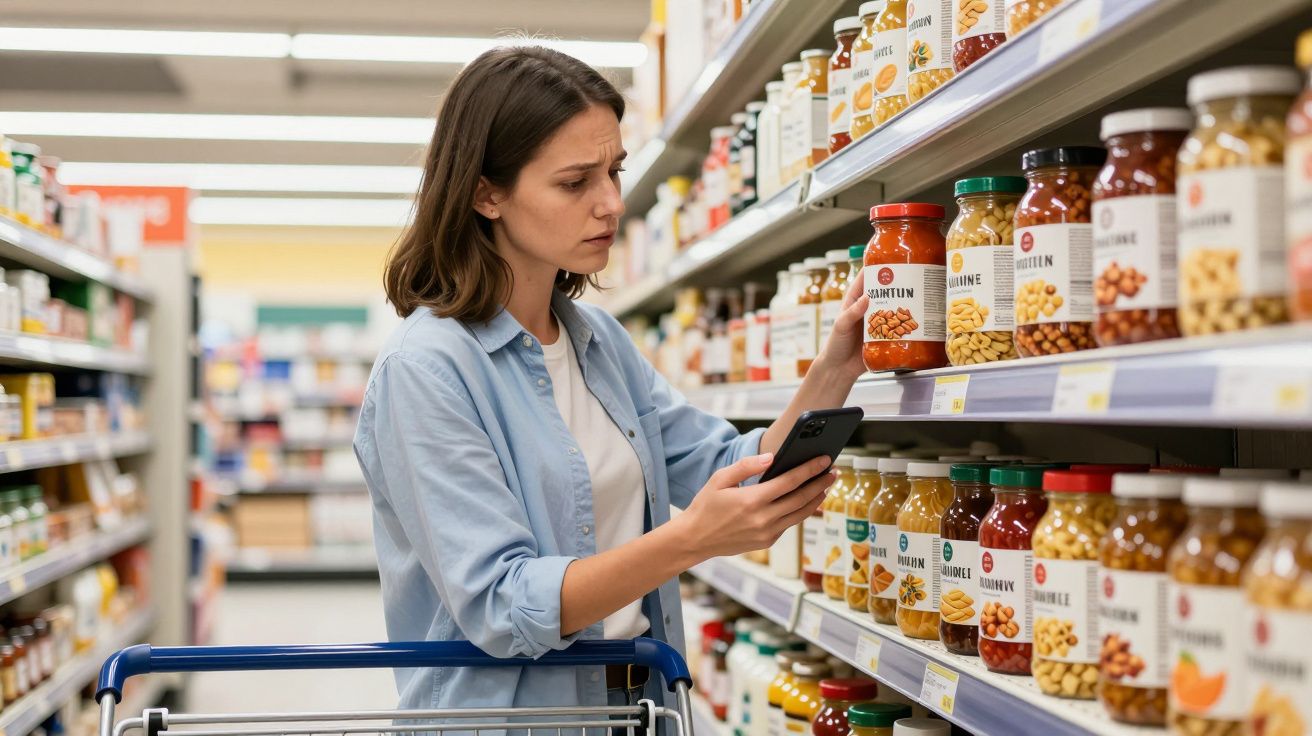
Asda is where many of us do the weekly shop: a quick dash after work, a big trolley at the weekend, or a click-and-collect slot you’re trying to squeeze in. Yet a lot of the irritation people blame on “bad stock” or “prices going up” actually comes from a simple, overlooked rule-one that’s as oddly familiar as the message, it seems you haven’t provided any text to translate. please provide the text you’d like translated into united kingdom english. If you don’t give the system the right information at the right moment, you don’t get the result you expected.
The same applies at the checkout. When you don’t check which price you’re agreeing to, you can end up paying more, losing time at Customer Services, and walking out feeling like you’ve been had when it was really a preventable mismatch.
The overlooked rule: the shelf-edge label is the offer, not the product
Asda pricing is built around the shelf-edge label (SEL): the little ticket on the rail that carries the price, the multibuy mechanic, and the dates if it’s a promotion. The product can be sitting in the wrong place, the wrong size can be mixed in, or the offer can have ended-yet the label is what sets your expectation and what staff will use to resolve a dispute.
That rule sounds dull until you live it. Most “it didn’t come off” moments are caused by one of three things: the item doesn’t match the label exactly, the dates don’t cover today, or the offer has extra conditions you didn’t notice.
What to match (and what people miss)
Don’t just look at the big price. Do a quick scan for the details that decide whether the discount is real.
- Size/weight: 500g vs 400g is the classic trap.
- Flavour/variant: “selected” usually means not all.
- Barcode/description: the SEL wording often names the exact item.
- Promo dates: “Ends” dates matter, especially after weekends.
- Mechanic: “2 for £X”, “Any 3 for £Y”, “with Asda Rewards”, or “price locked”.
If you only check the headline number, you’re trusting that everything else is aligned. In busy aisles, it often isn’t.
Why this saves money and hassle
A pricing mismatch rarely costs just the extra 50p. It costs time, attention, and the awkward feeling of holding up a queue while you decide whether to challenge it.
When you catch a mismatch before you pay, you can make a clean choice: swap the item, take a photo of the label, or leave it. When you notice after, you’re into receipts, returns desks, and re-running your shop in your head while your frozen food warms up.
The 10‑second habit that changes the shop
Treat it like a mini “pre-flight check” before you put anything promotional in the trolley:
- Read the SEL fully (not just the big numbers).
- Check the item in your hand matches the size and variant.
- If it’s an offer, check the end date and the mechanic.
- If in doubt, take a quick photo of the SEL showing the details.
That photo is not about “winning an argument”. It’s about keeping the conversation factual if it does go wrong-especially when labels have been swapped, removed, or updated after you picked the product.
Common promo traps that catch even careful shoppers
Asda’s offers are usually straightforward, but the edge cases are where money leaks.
“Selected lines” that don’t include the popular flavour
You’ll often see a strong price that applies to two flavours and not the third-the one everyone actually buys. The SEL may list the included variants in small print, or it may say “selected”.
A quick test: if the shelf looks picked over and only the “less popular” option remains, assume the offer is narrower than it looks and check.
Multibuys that require exact quantities
“2 for £X” is not “£X each when you buy two”. Sometimes the system needs the exact quantity in the same transaction, and substitutions (especially with delivery) can break it.
If you only want one item, compare the unit price on the SEL. The multibuy headline can hide a higher single price than the neighbouring brand.
Asda Rewards versus regular promotions
Some savings are normal price drops; others expect you to be using Asda Rewards. If a deal is framed around the app, treat it as a different category of offer and decide upfront whether you’re comfortable with that trade-off.
The frustration comes when you assume “offer is offer”, then find out at the till it was “offer with a condition”.
What to do if the price is wrong at the till
Keep it simple and calm. Most staff want to fix it quickly, but they need specifics.
- Ask for a price check and say where you picked it up from.
- Show the SEL photo if you took one, including the item details.
- Be clear about what you want: the correct price, or to remove the item.
If you’re doing a big shop, check your most expensive “deal” items as they scan. That’s where the money usually hides, and it’s easier to resolve in the moment than at the end.
A quick guide to reading the label like a local
Here’s what to focus on, without turning your shop into a paperwork exercise.
| SEL detail | Why it matters | Quick check |
|---|---|---|
| Item description | Confirms the exact product on offer | Does it name your variant? |
| Size/weight | Avoids “same brand, different pack” errors | Match grams/ml on pack |
| Offer dates/conditions | Prevents expired or conditional discounts | Is today included? |
The payoff: fewer disputes, better budgeting
Once you treat the shelf-edge label as the real “contract”, you shop differently. You stop buying assumptions, and you start buying confirmed prices.
It’s a small shift, but it protects your budget and your time. And in a supermarket run, time is often the thing you can’t get refunded.




Comments (0)
No comments yet. Be the first to comment!
Leave a Comment