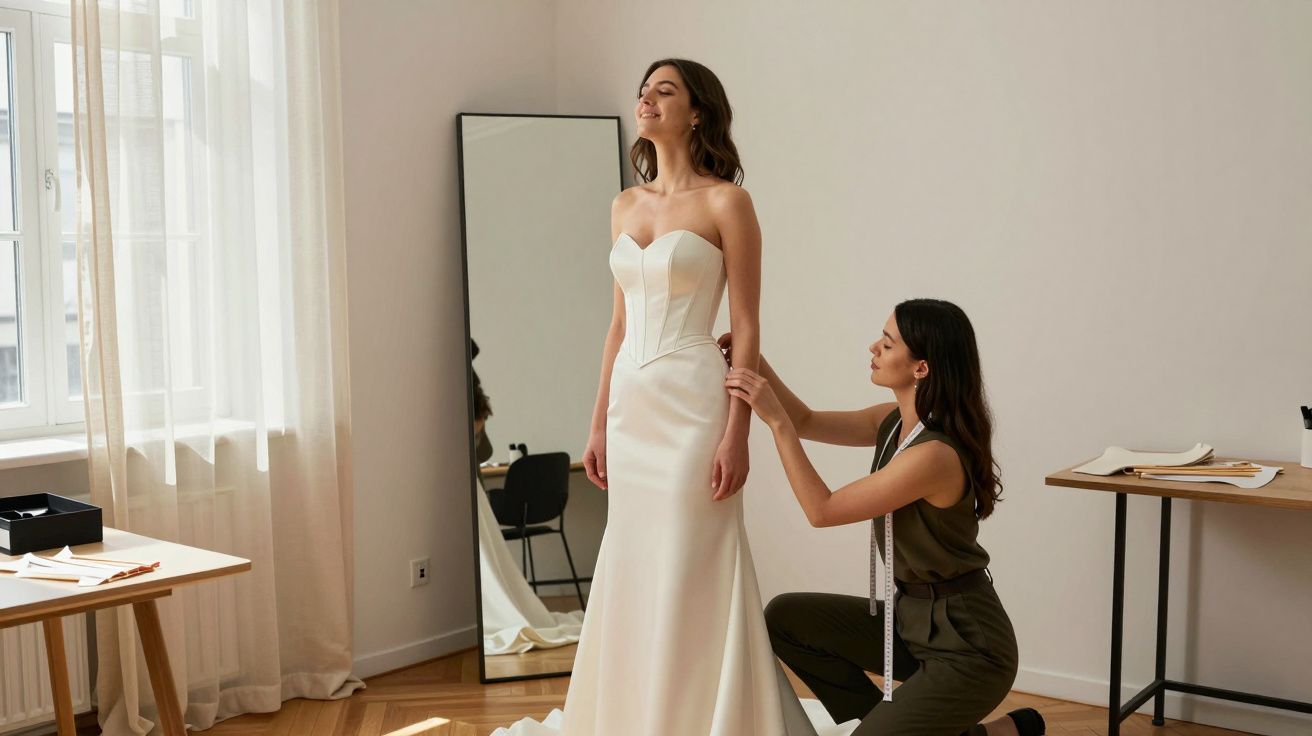
The shift isn’t imaginary. Corset bodices paired with thoughtful posture support change the way a bride stands, breathes, and moves through a wedding day, from the first fitting to the last dance. Done well, they don’t just “hold you in” - they set a frame that lifts the sternum, lengthens the waistline, and stops shoulders creeping forward when nerves (and cameras) arrive.
In the mirror, it can look like a styling choice. On the body, it behaves more like architecture: a structure that redistributes weight, calms fidgeting, and makes stillness feel natural rather than forced.
The structure that makes posture feel automatic
A proper corset bodice isn’t a tight tube. It’s a shaped shell, built from panels that curve around the torso, reinforced so it holds its own line rather than relying on your muscles to do all the work. That’s why a bride can suddenly look “trained” without training: the garment is cueing the body into a taller position.
The key is that the lift comes from distribution, not pressure in one spot. When the bodice fits, it hugs the ribcage and waist evenly, and the vertical supports keep the fabric from collapsing when you sit, hug, or twist for photos.
You’ll usually feel three changes within minutes:
- The chest feels gently lifted, so the neckline sits where it’s meant to.
- The waist feels defined, but not pinched at the front.
- The shoulders settle back because the torso is supported from below.
What “posture support” really means in bridal corsetry
Posture support in this context isn’t a medical brace. It’s the combined effect of patterning, internal reinforcement, and a closure system that keeps the garment anchored. The bodice becomes a steady reference point, so you’re not constantly correcting straps, tugging fabric, or holding yourself “up” for the dress to look right.
A strong corset bodice typically relies on:
- Boning placement to prevent rolling and to keep the centre front smooth.
- A firm waist stay (an internal ribbon) to take strain off the outer fabric.
- Stable cups or a built-in bust structure so lift doesn’t come from over-tightening.
- A secure closure (lacing, hook-and-eye, or a hidden zip backed by structure) that doesn’t drift during the day.
The result is subtle but noticeable: you stop bracing your core so hard. Your head sits more naturally over your spine. You look composed in photos because you’re not fighting the garment.
“I thought I needed reminders to stand up straight,” one bridal fitter told me. “Most brides don’t. Once the bodice is balanced, their posture changes on its own.”
A quick fitting check you can do in five minutes
You don’t need specialist vocabulary to tell whether the structure is helping or just squeezing. Use this small routine during a fitting, ideally after you’ve worn the dress for a few minutes so your body settles.
- Take two slow breaths. You should be able to expand your ribs without sharp resistance.
- Raise both arms as if adjusting your hair. The bodice shouldn’t slide down or jab under the arms.
- Sit, then stand. The waistline should stay put; the front shouldn’t fold into your lap.
- Turn from side to side. The top edge should remain flush to the chest, not gape.
- Relax your shoulders. If they naturally drop back without effort, that’s supportive structure doing its job.
If you’re holding your breath, if the neckline collapses when you move, or if you feel pushed into an unnatural arch, the “support” is likely coming from overtightening rather than design.
The common mistakes that sabotage the effect
Many brides blame themselves - posture, fitness, nerves - when the real issue is the build or the fit. A corset bodice can only guide posture if it’s stable and correctly placed on your body.
Watch for these problems:
- Too much compression at the waist, not enough stability above it. This makes you tip forward to find comfort.
- Boning that ends in the wrong place. If it hits the hip or digs into the bust, you’ll slouch to avoid it.
- A back that’s doing all the work. Over-lacing the back can flatten the front and create gaping at the neckline.
- Soft outer fabric without internal support. The dress looks fine still, then collapses the moment you move.
A small adjustment - moving a bone channel, adding a waist stay, refining the cup - often fixes more than “standing up straighter” ever will.
Choosing the right corset bodice for your day (not just the hanger)
Different wedding days demand different kinds of structure. A city ceremony with a short reception is not the same as a long day with travel, hugs, dinner, dancing, and hours in heels.
Here’s a compact guide to match build to reality:
| Wedding-day need | Look for in the bodice | Why it helps |
|---|---|---|
| Long wear (10–14 hours) | Waist stay + balanced boning | Support without constant tightening |
| Strapless confidence | Secure bust structure + firm top edge | Stops slipping and “micro-adjusting” |
| Lots of dancing | Flex with stability (not ultra-rigid) | Lets you move without collapsing |
The best choice is often the one that disappears on your body. Not because it’s flimsy, but because the support is evenly shared across the torso.
The quiet payoff: how it reads in photos and in the room
Posture changes are most visible at the edges: the moment you enter, the way you hold a bouquet, the stillness in group shots. A supported torso lets the arms and head move freely, which reads as ease and presence rather than stiffness. It also keeps the dress lines consistent, so you’re not “fixing” the gown between frames.
And if you’re worried it will feel restrictive, hold onto this: good structure should reduce effort, not increase it. When a corset bodice is doing its job, you stop thinking about your body and start paying attention to the day.
FAQ:
- Will corset bodices hurt my ribs or restrict breathing? They shouldn’t. You should be able to take slow, full breaths; discomfort usually points to poor fit, overtightening, or the wrong shape for your torso.
- Do I need a separate posture support garment underneath? Usually not. A well-built bodice provides its own support; adding layers can create bulk, friction, or sliding unless a fitter recommends it for a specific reason.
- Is lacing always better than a zip? Not automatically. Lacing offers adjustability, but a zip backed by strong internal structure can be equally stable; the build matters more than the closure style.
- Can I sit comfortably in a corset bodice? Yes, if the waistline is placed correctly and the boning length suits your torso. Always do a sit–stand test during fittings.
- How early should I practise wearing it? Once alterations are close to final, do a short wear test at home (20–40 minutes) to check breathing, movement, and any rubbing points before the last fitting.
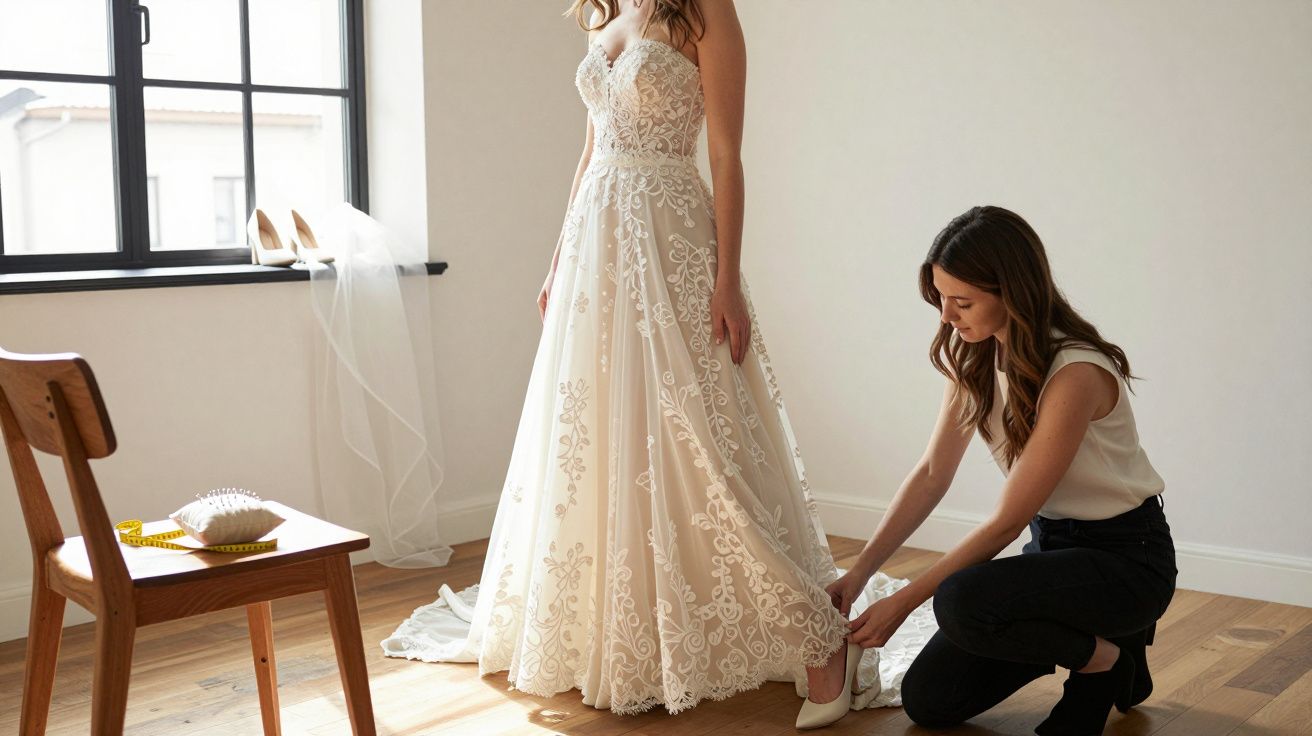
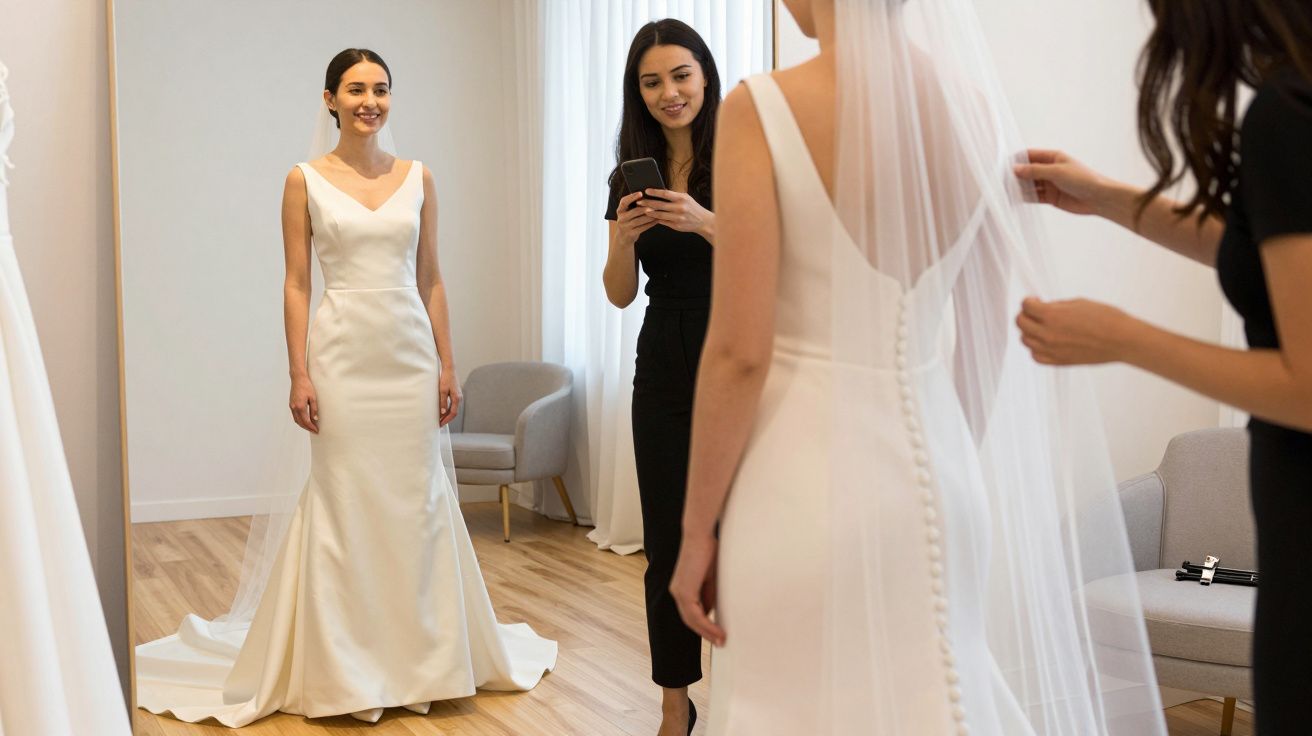




Comments (0)
No comments yet. Be the first to comment!
Leave a Comment