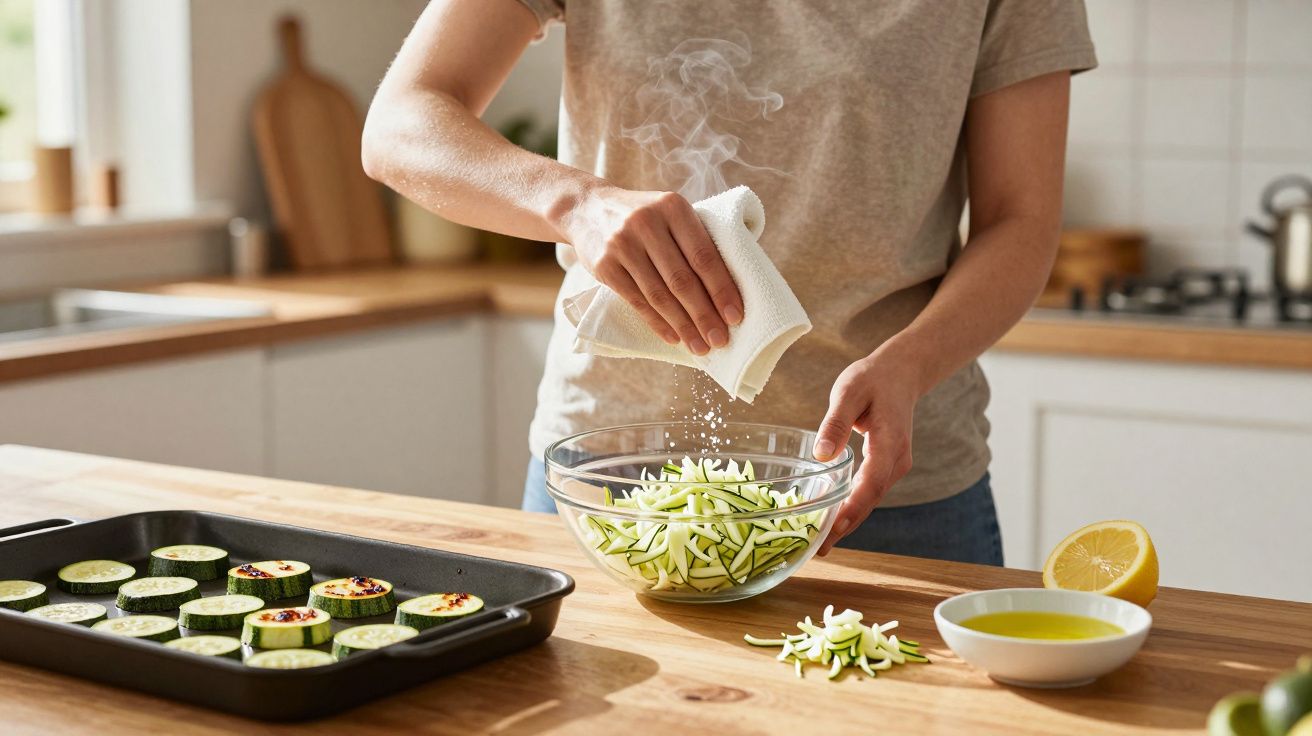
The funny thing about courgettes is how often they’re treated as filler-something you grate into a fritter when you’ve run out of ideas. Yet in professional kitchens, catering teams, and meal-prep operations, they’re being reworked as a strategic ingredient: reliable, fast, and surprisingly versatile under pressure. Even the oddest prompt-“of course! please provide the text you would like translated.”-fits the moment, because courgettes are suddenly the thing chefs translate into ten different formats without changing the shopping list.
It’s not hype. It’s workflow. And right now, workflow is everything.
The quiet shift: from side veg to system ingredient
Talk to anyone feeding lots of people-schools, hospitals, corporate canteens, recipe developers-and you’ll hear the same story. Menus are being tightened, waste is being audited, and prep time is being treated like a cost centre, not a vibe. Courgettes slot neatly into that world because they’re adaptable across cuisines and forgiving across skill levels.
They’re also one of those vegetables that can be made to behave. Slice thin and they eat like pasta. Char hard and they read as “proper grilled veg”. Blitz them and they become body in a soup without shouting about it. For pros, that’s not creativity. That’s control.
Why courgettes are suddenly a professional problem-solver
Courgettes don’t win on drama; they win on options. The ingredient is mild enough to take on strong flavours, but structured enough to hold shape when treated properly. That balance matters when you’re cooking at scale and trying to keep plates consistent.
Here’s what’s making them attractive right now:
- Speed: they cook quickly, which helps service and batch cooking.
- Flexibility: one case can become ribbons, dice, purée, stuffing, or bake-ins.
- Portion economics: bulk up dishes without leaning on more expensive ingredients.
- Dietary coverage: naturally fits veg-forward, low-meat, and lighter menus without special sourcing.
- Waste management: the trimmings can still be used (stocks, fritters, soup bases) if you treat water properly.
That last point-water-is where the rethinking gets specific.
The water issue nobody wants to admit
Courgettes are wet. That’s their gift and their flaw. At home you can shrug and call it “healthy”; in a professional setting, water is the enemy of browning, crunch, and shelf life. Too much moisture turns gratins into puddles, fritters into sadness, and sandwiches into something you apologise for.
Professionals aren’t abandoning courgettes. They’re changing the handling, because the difference between “bland and soggy” and “bright and structured” is usually just one step people skip when they’re rushing.
A few kitchen moves that keep results consistent:
- Salt, rest, squeeze: grate or slice, salt lightly, leave 15–30 minutes, then press out moisture.
- High heat, not hope: pan or tray needs to be properly hot to drive off water fast.
- Don’t overcrowd: steam is the invisible sabotage in sheet-pan cooking.
- Treat skins as an asset: skins hold texture; peeled courgette collapses faster.
- Acid at the end: lemon, vinegar, or yoghurt after cooking keeps flavour alive without turning it watery.
Soyons honnêtes: nobody really wants another “use more seasoning” lecture. The real professional trick is managing moisture so seasoning actually stays on the food instead of dissolving into it.
The formats chefs are leaning on (because they hold up)
If you look at the dishes cropping up in staff meals, modern bistros, and recipe testing kitchens, courgettes keep appearing in a few repeatable forms. Not because they’re trendy, but because they’re hard to mess up once the process is right.
- Charred batons with a finishing dressing (herby oil, chilli, citrus): quick, high-impact, low waste.
- Roasted coins for bowls and salads: reliable texture if you roast hot and spaced out.
- Courgette “ribbons” briefly warmed, not cooked: reads fresh, keeps bite, avoids sog.
- Grated into meatballs/burgers: adds juiciness while stretching mince.
- Blended into soups and sauces: builds body without cream, especially useful for lighter menus.
The most telling sign? Courgettes are being used like an ingredient that protects margins: you can build a plate that looks generous without quietly inflating costs.
How to buy them like a pro (and avoid the watery giants)
Professionals are also getting pickier about size. The biggest courgettes can be tempting-more grams for the money-but they’re often more seedy and watery, which means more prep and weaker texture.
A simple buying logic that tends to work:
- Choose medium courgettes for most cooking: better texture, fewer seeds, more consistent results.
- Go small only when serving them visibly (grilled whole, ribbons): they look smarter and taste sweeter.
- Use large ones for blending or stuffing, where structure is less critical and you can scoop the centre.
If you’re feeding people and timing matters, consistency beats hero vegetables every time.
What this means for everyday cooks (yes, it’s relevant)
Professional kitchens don’t “discover” courgettes. They just stop expecting them to perform miracles without proper handling. That’s the bit worth borrowing at home: if you manage the water and push the heat, courgettes stop being the thing you tolerate and start being the thing that makes dinner feel intentional.
It’s a small shift in technique that pays back fast. And in a year where everything from shopping habits to energy bills is being recalculated, small shifts are exactly what people are looking for.
| What’s changing | Old habit | New professional habit |
|---|---|---|
| Moisture control | Cook as-is and hope | Salt, rest, squeeze, then cook hot |
| Texture | Soft, pale, watery | Charred, browned, structured |
| Usage | Side veg only | Base, bulk, garnish, and binder |
FAQ:
- Are courgettes and zucchini the same thing? Yes. In the UK we usually say courgette; in the US it’s zucchini. They’re the same vegetable.
- Why do my courgettes go soggy in the oven? Usually overcrowding and low heat. Spread them out and roast hotter so moisture evaporates instead of steaming.
- Do I need to peel courgettes? Not usually. The skin helps them hold shape and adds colour; just wash well and trim the ends.
- What’s the quickest way to make courgettes taste of something? Cook them hard and fast for browning, then finish with salt and an acid (lemon or vinegar) plus a little oil or yoghurt.






Comments (0)
No comments yet. Be the first to comment!
Leave a Comment